Navigating the GC8 Strategic Pivot in South Africa
The Global Fund’s recent launch of Grant Cycle 8 (GC8) introduces significant strategic shifts, including a hardened focus on pathways to transition and self-reliance. For South African stakeholders, GC8 is not a distant problem; it is an immediate call to overhaul the health ecosystem during the current GC7 window.
The Funding Cliff: PEPFAR and the Rise of the Global Fund
South Africa faces a critical funding junction. While the government funds most HIV treatment costs, prevention and key population programmes have historically relied on international partners. However, the landscape has shifted:
- The PEPFAR Gap: Significant funding suspensions and grant terminations from the US government are threatening clinical research sites and dozens of HIV and TB trials in South Africa.
- The Global Fund as a Strategic Pillar: With PEPFAR scaling back, the Global Fund remains the primary external partner. Yet, GC8 brings a mandate for accelerated co-financing and the transfer of core programme costs to national budgets. Treasury notes that the fiscal space is constrained, compounded by sluggish economic growth.
Rallying the Private Sector: Aligning with the NSP 2023–2028
Waiting for GC8 to implement changes is a lost opportunity. We must immediately rally private sector investments around the priorities identified in the National Strategic Plan for HIV, TB and STIs (NSP) 2023–2028, which advocates for a multi-sectoral approach to end HIV, TB, and STIs as public health threats.
- Investment Matching & Strategic Initiatives: The SANAC Private Sector Forum (PSF) has recently spearheaded the launch of Provincial Private Sector Forums to facilitate local collaboration on prevention and care. Strategic initiatives must now focus on investment matching, where the private sector co-funds workplace and community programmes aligned with NSP goals.
- Health as a Business Imperative: Business leaders are increasingly positioning employee health as a cornerstone of sustainable enterprise. For example, Anglo American has committed US$4.5 million to strengthen diagnostics and global health security, demonstrating how private capital can drive innovation and resilience.
- Catalytic Funding: The private sector mobilised a record US$1.34 billion for the Global Fund’s Eighth Replenishment. In South Africa, significant private sector players remain on the sidelines despite having the capacity to fill the gaps left by traditional donors. Do we know how to engage them?
Recommendations for Immediate Action
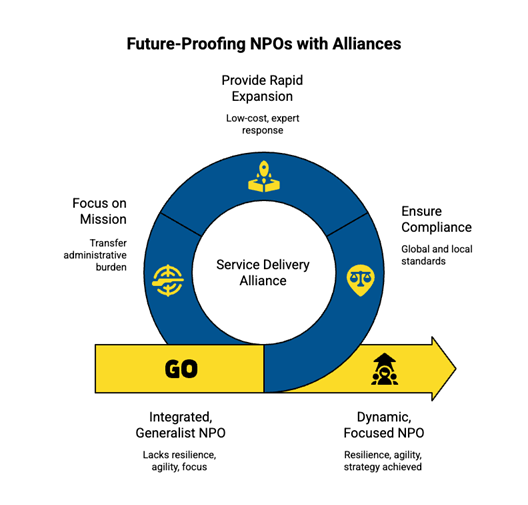
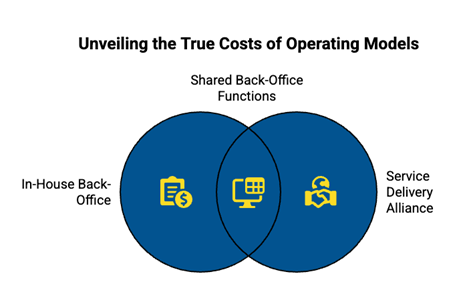
- Implementers: Achieve more with less by prioritising efficiency and effectiveness, including the adoption of shared service models. Shifting non-core administrative tasks to an expert-managed backbone allows teams to focus exclusively on field-level impact and service integration.
- Government: Prioritise budget allocations for Primary Health Care (PHC) integration to ensure long-term sustainability as external grants transition.
- Private Sector: Engage in the ecosystem by sharing data and resources, and aligning investments with the NSP.